Kitchen Cabinet Refacing vs Replacement: Which Wins?
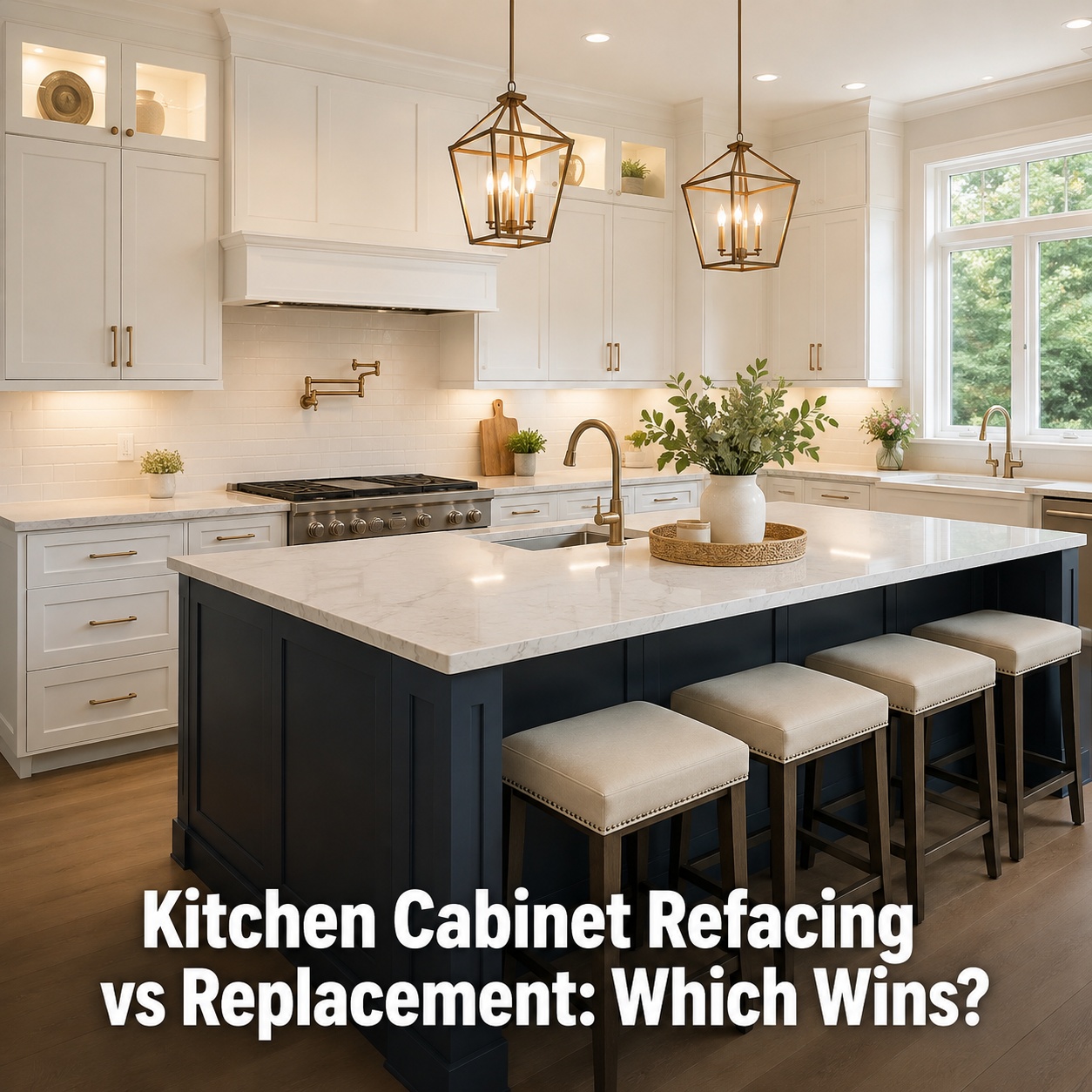
Your kitchen cabinets take up more visual real estate than almost anything else in the room. They set the tone, define the style, and quietly communicate whether your kitchen feels dated or fresh. So when they start looking worn, the big question becomes: do you reface what you have, or tear everything out and start over?
Both options have real merit, and neither is universally better. The right choice depends on your budget, your goals, the condition of your existing cabinet boxes, and how dramatically you want to transform the space. This article breaks down every major factor so you can make a confident, informed decision without second-guessing yourself halfway through a renovation.
Understanding the difference between refacing and full cabinet replacement goes beyond just cost. It touches on design flexibility, structural integrity, environmental impact, and long-term home value. By the end of this guide, you will know exactly which path makes sense for your kitchen and your situation.
Overview of Kitchen Cabinet Refacing vs Replacement
Before comparing the two options side by side, it helps to understand what each process actually involves. Many homeowners assume refacing is just a cosmetic patch job, while replacement is always the superior choice. Neither assumption is entirely accurate.
What Cabinet Refacing Involves
Cabinet refacing is the process of updating the visible surfaces of your existing kitchen cabinets without removing the cabinet boxes from the wall. The cabinet frames stay in place, and new cabinet doors, drawer fronts, and veneer or laminate are applied over the existing surfaces.
The core structure of your cabinets remains untouched. A professional installer will strip the old doors and hardware, apply a thin layer of veneer or laminate to the cabinet frames, and install brand-new cabinet doors and drawer fronts that match your chosen style. New cabinet hardware is typically added as a finishing touch.
This process is significantly less invasive than a full kitchen remodel. Your kitchen remains partially functional throughout the project, and the timeline is considerably shorter.
What Full Cabinet Replacement Involves
Full cabinet replacement means removing every existing cabinet from the kitchen, including the cabinet boxes, doors, frames, and all associated hardware. Everything is stripped back to the walls, and entirely new kitchen cabinets are installed from scratch.
This approach gives you a completely blank slate. You can reconfigure your kitchen layout, change cabinet dimensions, add features like pull-out shelves or built-in organizers, and choose from a much wider range of cabinet styles and materials, including solid wood, plywood, or MDF construction.
Replacement is a larger investment in every sense, requiring more labor, more materials, and more time. But it also delivers a more comprehensive transformation that can address structural problems, outdated layouts, and storage limitations that refacing simply cannot fix.
Key Differences at a Glance
| Factor | Cabinet Refacing | Full Cabinet Replacement |
|---|---|---|
| Cost | Lower upfront cost | Higher upfront cost |
| Timeline | Two to five days | One to three weeks |
| Layout Changes | Not possible | Fully customizable |
| Structural Fix | No | Yes |
| Material Options | Limited to veneer or laminate | Solid wood, plywood, MDF, and more |
| Disruption Level | Minimal | Significant |
| Environmental Impact | Lower waste | Higher material waste |
Feature-by-Feature Comparison
Now that you have a broad picture, it is time to get specific. Each of these categories can tip the decision one way or the other depending on your priorities.
Appearance, Design Flexibility, and Style Options
Refacing can produce a genuinely impressive visual transformation. New cabinet doors, fresh veneer, and updated cabinet hardware can make a kitchen look completely different without touching the underlying structure. You can choose from a wide range of door profiles, finishes, and colors.
However, refacing has limits. The cabinet boxes remain the same size and configuration, so your design options are constrained by what already exists. If your current cabinets are a style that no longer works with modern kitchen aesthetics, refacing may feel like putting new clothes on an old frame.
Full replacement opens up every design possibility. You can choose any cabinet style, any material, any finish, and any configuration. If you have been eyeing a specific look, like shaker-style solid wood cabinets or high-gloss MDF fronts, replacement gives you complete creative freedom. For homeowners researching value-driven cabinet options, understanding what is available at different price points can help clarify whether replacement is worth the extra investment.
Durability, Longevity, and Structural Integrity
The cabinet lifespan of a refaced kitchen depends heavily on the condition of the existing cabinet boxes before the work begins. If the frames are solid, made from quality plywood or solid wood, and show no signs of water damage or warping, refacing can extend their useful life by many years.
Refacing does not fix structural problems. If your cabinet frames are soft, swollen, or compromised by moisture, applying new veneer over them is a temporary solution at best. The underlying damage will continue to worsen regardless of how good the new surfaces look.
Full replacement gives you the opportunity to install cabinets built from superior materials from the ground up. Understanding the differences in construction quality, such as plywood versus particleboard cabinet boxes, matters enormously here. A quick look at how cabinet grades are defined can help you choose replacement cabinets that will genuinely outlast your current ones rather than just looking better for a few years.
Project Timeline, Disruption, and Installation Process
Refacing is fast. A professional installation team can typically complete a standard kitchen in two to five days. Your kitchen remains partially usable throughout the process, which makes daily life significantly less disruptive.
Full cabinet replacement is a much larger undertaking. Demolition alone can take a full day. Once the old cabinets are removed, walls may need patching, plumbing or electrical adjustments might be required, and the new professional installation process can take anywhere from one to three weeks depending on kitchen size and complexity.
If you are living in your home during the renovation, the disruption of a full replacement is real and worth factoring into your decision. Families with young children or anyone who relies heavily on their kitchen will feel the impact of an extended project timeline.
Impact on Kitchen Layout, Function, and Storage
This is one of the clearest differentiators between the two options. Refacing preserves your existing kitchen layout exactly as it is. If your current storage is inefficient, your cabinet sizes are awkward, or your kitchen flow does not work well, refacing will not solve any of those problems.
Replacement allows you to redesign the entire kitchen layout. You can add taller upper cabinets to maximize vertical storage, install deeper base cabinets, incorporate pull-out drawers, or reconfigure the entire footprint of the kitchen. This level of functional improvement simply is not possible with refacing.
For homeowners who are frustrated with their kitchen’s storage capacity or workflow, replacement is the only option that actually addresses the root cause. Cosmetic updates through refacing will leave those functional frustrations in place.
Environmental Impact and Material Waste
Refacing is the more eco-friendly option by a significant margin. Because the existing cabinet boxes stay in place, you are not sending large volumes of wood and composite materials to a landfill. The amount of new material required is substantially lower, which reduces both waste and the environmental cost of manufacturing.
Full replacement generates considerable material waste. Old cabinet boxes, doors, frames, and hardware all need to be disposed of, and entirely new materials must be manufactured and transported to replace them. If environmental impact is a priority for you, refacing aligns better with eco-friendly renovation values.
That said, some replacement projects use sustainably sourced materials or recycle old cabinets through donation programs, which can offset some of the environmental cost. It is worth exploring those options if you decide replacement is the right path.
Cost and Value: Refacing vs Replacement
Cost is usually the first thing homeowners ask about, and for good reason. The financial difference between these two options is substantial.
Typical Price Ranges and What Affects the Cost
Cabinet refacing typically costs significantly less than full replacement. The exact price depends on kitchen size, the materials chosen for the new veneer and cabinet doors, and local labor costs. Kitchens with more cabinet doors and drawer fronts will naturally cost more to reface.
Full cabinet replacement costs more because it involves demolition, disposal of old materials, new cabinet boxes, new cabinet doors, new hardware, and professional installation. The price range varies widely based on cabinet quality, whether you choose stock, semi-custom, or custom cabinets, and the complexity of the installation.
- Cabinet refacing: Typically ranges from thirty to fifty percent of full replacement cost
- Stock cabinet replacement: Most budget-friendly full replacement option
- Semi-custom replacement: Mid-range with more design flexibility
- Custom cabinet replacement: Highest cost, maximum design control
- DIY refacing kits: Available but require skill and patience to execute well
Labor costs represent a significant portion of both projects. Professional installation ensures a quality result, but it adds to the overall budget. Some homeowners explore DIY refacing to reduce costs, though the results vary considerably based on skill level.
Short-Term Savings vs Long-Term Investment
Refacing delivers clear short-term savings. You spend less upfront and get a refreshed kitchen relatively quickly. For homeowners on a tight budget who have structurally sound cabinet boxes, refacing offers excellent value for the money spent.

However, if your cabinet boxes are aging or made from lower-quality materials, refacing may only delay an inevitable replacement. Spending money on refacing now and then replacing everything a few years later ends up costing more in total than simply replacing everything once.
Replacement is a longer-term investment that, when done with quality materials, can serve your kitchen for decades. The higher upfront cost is offset by the extended lifespan and the functional improvements that come with a completely new installation.
Return on Investment and Home Resale Appeal
Both options can improve home value, but they do so differently. Cabinet refacing improves the visual appeal of your kitchen without a major financial outlay, which can make your home more attractive to buyers without dramatically increasing your asking price.
Full cabinet replacement, particularly with quality materials and a modern design, can meaningfully increase home value and return on investment. Buyers notice new kitchens, and updated kitchen cabinets are consistently cited as one of the most impactful renovation choices for resale appeal.
The ROI on replacement depends heavily on the quality of cabinets chosen and how well they align with buyer expectations in your market. Choosing cabinets that are appropriate for your home’s price range matters. Overspending on ultra-premium cabinets in a modest home rarely returns full value at resale.
Best Use Cases and Decision Guide
Knowing the facts is one thing. Knowing how to apply them to your specific situation is another. Here is a practical guide to help you decide.
When Refacing Makes the Most Sense
Refacing is the right choice under specific conditions. If your existing cabinet boxes are structurally sound, made from solid plywood or solid wood, and show no signs of water damage, warping, or deterioration, they are excellent candidates for refacing.
- Your kitchen layout works well and you have no desire to change it
- Your budget is limited and you need a cost-effective refresh
- You want minimal disruption and a fast turnaround
- Your cabinet frames are in genuinely good condition
- You are updating the kitchen before selling and want strong visual impact without major expense
- Reducing material waste is a priority for you
Refacing also pairs well with other surface updates like new kitchen countertops or fresh paint, creating a cohesive kitchen renovation without the cost of full replacement.
When Full Replacement Is the Better Choice
Replacement becomes the clear winner in several scenarios. If your cabinet boxes are damaged, poorly constructed, or made from low-quality particleboard that has begun to deteriorate, no amount of refacing will fix the underlying problem.
- Your kitchen layout is inefficient and needs reconfiguring
- Cabinet boxes show water damage, warping, or structural weakness
- You want to significantly increase storage capacity or add new features
- Your current cabinets are very old and nearing the end of their useful life
- You are doing a full kitchen remodel and want everything to be new
- You want maximum design flexibility and access to all cabinet styles
Homeowners comparing ready-to-assemble versus pre-assembled cabinet options for a replacement project will find that both can deliver excellent results depending on budget and installation preference. Understanding those distinctions helps you make a smarter purchasing decision once you commit to replacement.
Key Questions to Help You Choose
Ask yourself these questions before making a final decision. Your answers will point you clearly in one direction.
- Are my existing cabinet boxes structurally sound with no water damage or warping?
- Am I satisfied with my current kitchen layout and storage configuration?
- What is my realistic budget for this project?
- How long do I plan to stay in this home?
- Is minimizing disruption to my daily routine a priority?
- Do I want to change the overall footprint or configuration of my kitchen?
- How important is environmental impact to my renovation decisions?
If most of your answers point toward preserving what you have and refreshing the appearance, refacing is your answer. If your answers reveal structural problems, layout frustrations, or a desire for complete transformation, replacement is the smarter long-term choice.
Conclusion
Neither refacing nor replacement is universally superior. Refacing wins on cost, speed, and environmental impact when your cabinet boxes are in good shape and your layout works. Replacement wins on design freedom, structural improvement, and long-term value when your existing cabinets have run their course.
The best decision is the one that matches your actual situation, not just your budget or your aesthetic preferences in isolation. Assess your cabinet boxes honestly, define your goals clearly, and choose the path that delivers the most value for your specific kitchen and your specific life.
FAQ
Is cabinet refacing as durable as replacing cabinets?
Refacing can be highly durable if the existing cabinet boxes are in good structural condition. The new veneer, cabinet doors, and hardware applied during refacing are built to last. However, if the underlying cabinet frames are compromised by moisture or age, refacing will not prevent further deterioration. The durability of a refaced kitchen is ultimately tied to the quality of the existing structure beneath the new surfaces.
Can I change my kitchen layout if I only reface my cabinets?
No. Cabinet refacing preserves the existing kitchen layout exactly as it is. The cabinet boxes remain fixed to the walls in their current positions, so there is no opportunity to reconfigure storage, change cabinet dimensions, or alter the kitchen’s footprint. If changing your kitchen layout is a goal, full cabinet replacement is the only option that makes it possible.
How do I know if my existing cabinets are good candidates for refacing?
Start by inspecting the cabinet boxes carefully. Press on the surfaces and check for softness, which indicates moisture damage. Look for warping, swelling, or visible deterioration along the bottom of base cabinets where water exposure is most common. Open every door and drawer to check that the frames are square and the hardware functions properly. If the boxes are solid, stable, and free from damage, they are strong candidates for refacing. Homeowners who want to understand what quality cabinet construction looks like before making this assessment can explore what separates quality cabinets from lower-grade options to better evaluate what they currently have.