Is Refacing Kitchen Cabinets Worth It?
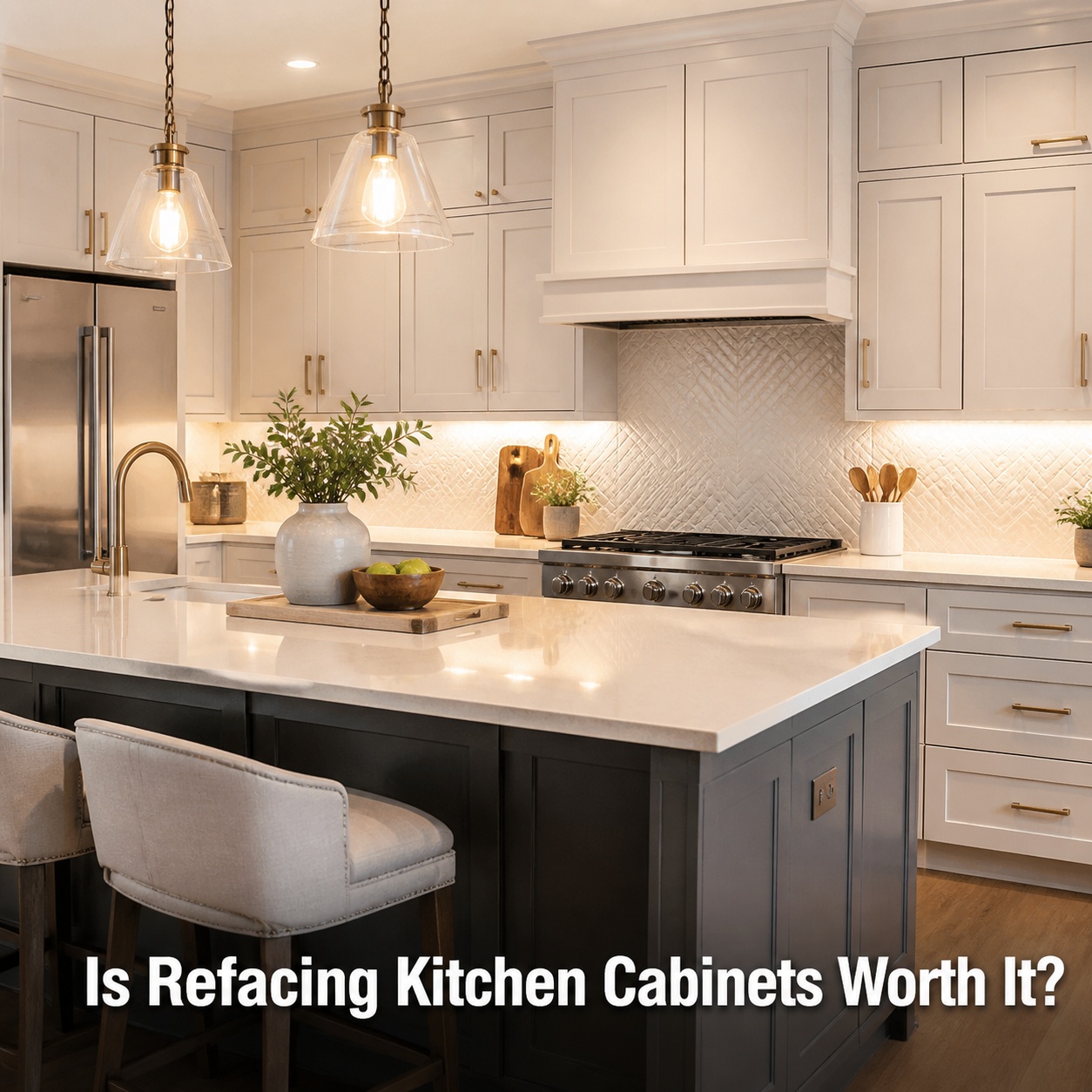
Renovating a kitchen is one of the biggest decisions a homeowner can make, and cabinets are almost always at the center of that conversation. They take up the most visual space, they affect how the kitchen functions daily, and they carry a significant portion of the renovation budget. So when someone discovers that cabinet refacing exists as an option, the immediate question is obvious: does it actually deliver real value, or is it just a shortcut that costs nearly as much as doing it right?
The honest answer depends entirely on your specific situation. Cabinet refacing works beautifully for some kitchens and falls completely flat for others. Understanding the difference between a smart renovation decision and a costly mistake requires looking at the condition of your existing cabinets, your budget, your goals, and what you actually want the finished kitchen to look and feel like.
This guide breaks down everything you need to know about cabinet refacing , what it involves, what it costs, when it makes sense, and when you should walk away from it entirely. If you are trying to decide between updating your kitchen on a budget or committing to a full replacement, the information here will help you make a confident, informed choice.
What Cabinet Refacing Is and How It Works
Cabinet refacing is the process of updating the visible surfaces of your existing kitchen cabinets without removing or replacing the cabinet boxes themselves. The structural framework stays in place, and new materials are applied over the exterior to give everything a fresh, updated appearance. It is a middle-ground option between painting your cabinets and tearing them out completely.
Refacing vs. Replacing vs. Painting
These three options represent very different levels of commitment, cost, and outcome. Painting is the most affordable route and works well when the cabinet doors are in decent shape and the style still works for the space. Refacing goes further by replacing the cabinet doors, drawer fronts, and applying new veneer or laminate to the cabinet frames. Full replacement means removing everything and starting from scratch with entirely new cabinet boxes, doors, and hardware.
A detailed breakdown of cabinet refacing versus full replacement shows that the right choice often comes down to the structural integrity of your existing boxes and whether your current layout actually works for how you use the kitchen.
| Option | Average Cost Range | Time to Complete | Best For |
|---|---|---|---|
| Painting | Low | 2 to 5 days | Tight budgets, good cabinet condition |
| Refacing | Moderate | 3 to 7 days | Sound boxes, layout satisfaction |
| Full Replacement | High | 1 to 3 weeks | Structural damage, layout changes |
Typical Materials and Process
The refacing process starts with a professional measuring and assessing your existing cabinet boxes. New cabinet doors and drawer fronts are ordered to match your chosen style, and the exposed surfaces of the cabinet frames are covered with either wood veneer, laminate, or thermofoil. Cabinet hardware like hinges, handles, and pulls are replaced as part of the process.
Wood veneer gives the most natural, high-end look and can be stained or finished to match almost any kitchen design. Laminate is more durable and moisture-resistant, making it a practical choice for busy kitchens. Thermofoil is a vinyl-based option that wraps around the cabinet surface and works well for modern, flat-panel styles. Each material has its own cost profile and longevity, so the choice matters.
Costs, Time, and Value Considerations
Cost is usually the first thing people want to understand, and for good reason. Cabinet refacing is typically positioned as the budget-friendly alternative to full replacement, but the actual numbers can surprise people who assume it will be dramatically cheaper.
Upfront Cost Factors
The total cost of cabinet refacing depends on the size of your kitchen, the materials you choose, and whether you hire a professional or attempt a DIY approach. Labor costs alone can represent a significant portion of the total bill, especially for larger kitchens with more cabinet doors and drawer fronts to replace.
- Number of cabinet doors and drawer fronts
- Material choice: wood veneer, laminate, or thermofoil
- Cabinet hardware upgrades
- Professional installation versus DIY
- Condition of existing cabinet frames
DIY refacing kits are available, but they require a reasonable level of skill and patience. Mistakes in cutting veneer or applying laminate can be difficult to fix and may end up costing more to correct than hiring a professional from the start.
How Refacing Affects Home Value and ROI
Return on investment for kitchen renovations is always a relevant consideration, especially if you plan to sell. Cabinet refacing can improve the appearance of your kitchen significantly, which does contribute to resale value and buyer appeal. However, it does not deliver the same return as a full kitchen remodel with new cabinets, countertops, and updated appliances.
If you are renovating primarily to sell, understanding which kitchen cabinets offer the best value for the money can help you decide whether investing in new cabinets might actually deliver a stronger return than refacing your existing ones. Home value improvements from refacing are real but modest compared to full replacement with quality new cabinetry.
When Refacing Makes Sense
There are specific situations where cabinet refacing is genuinely the smartest choice. It is not a compromise in those cases , it is simply the right tool for the job.
Cabinets That Are Structurally Sound
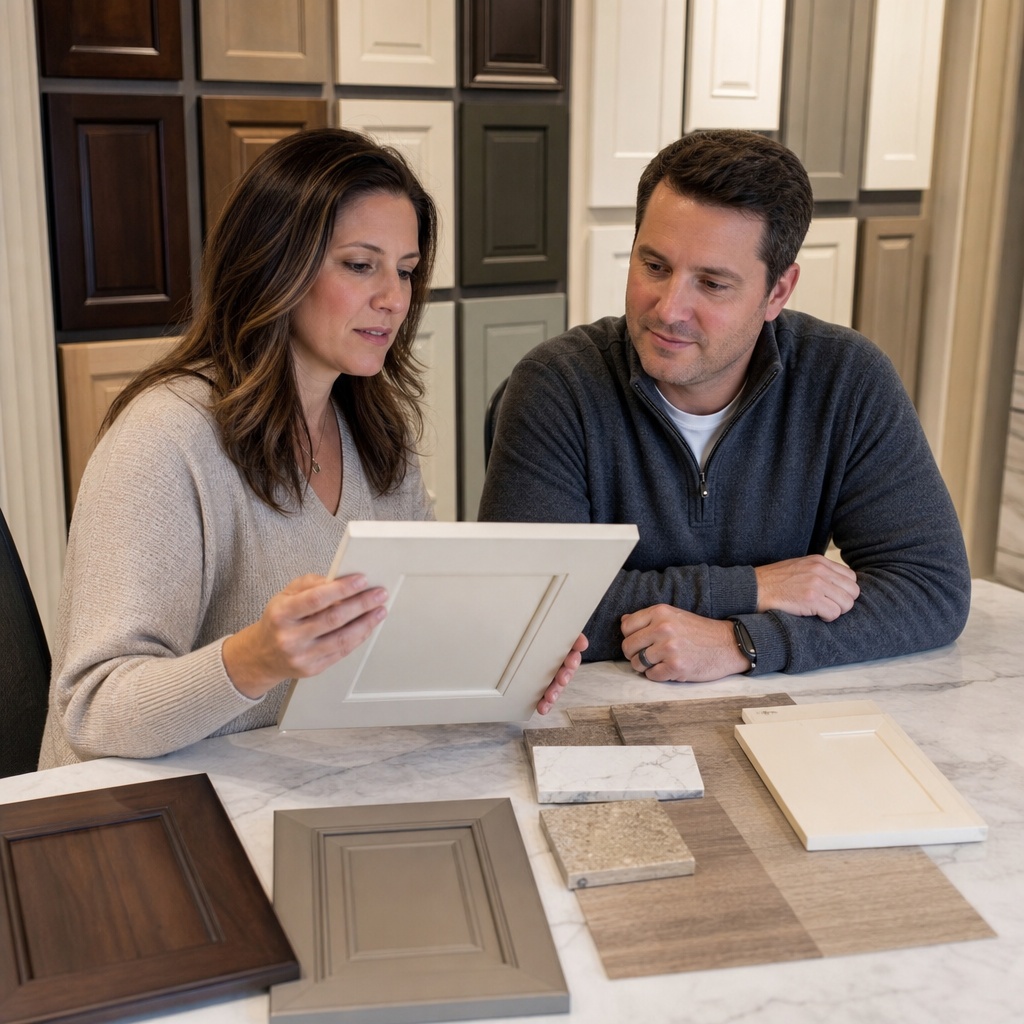
The single most important factor is the condition of your existing cabinet boxes. If the frames are solid, the shelves are not sagging, the joints are tight, and there is no water damage or warping, then refacing makes complete sense. You are essentially getting new-looking kitchen cabinets without paying to replace infrastructure that still works perfectly.
- No signs of water damage or mold inside the cabinet boxes
- Shelves that are level and fully functional
- Cabinet frames that are square and properly attached to the wall
- No pest damage or structural compromise
Solid cabinet boxes are the foundation of a successful refacing project. Without them, you are putting new materials on a failing structure, which is never a good investment.
Best Situations for Budget-Conscious Renovations
Refacing is an excellent option when your kitchen layout works well and you simply want a visual refresh. If you are happy with where everything is positioned , the sink, the appliances, the flow of the space , then there is no reason to pay for a full demolition and rebuild. Refacing lets you update the look without disrupting the entire kitchen renovation budget.
It also works well when you are updating other elements of the kitchen at the same time. New countertops, a fresh backsplash, and updated cabinet hardware can transform a kitchen dramatically when combined with refaced cabinets. The total cost of that kind of kitchen renovation is significantly lower than full cabinet replacement, and the visual result can be just as impressive.
When Refacing Is Not Worth It
Refacing is not the right answer for every kitchen. There are clear situations where it will leave you disappointed, and recognizing those situations early saves both money and frustration.
Damage, Layout Changes, or Storage Problems
If your cabinet boxes have water damage, warped wood, or structural issues, refacing is not a solution , it is a cover-up. The new veneer and doors will look great initially, but the underlying problems will continue to worsen and eventually affect the new materials too. In those cases, replacement is the only responsible path forward.
Layout problems are another dealbreaker. Refacing does not change where your cabinets are positioned, how tall they are, or how much storage they provide. If your kitchen feels cramped, lacks upper cabinet space, or has an awkward workflow, refacing will not fix any of that. You will spend money on a cosmetic update and still have a kitchen that does not function the way you need it to.
- Visible water stains or soft spots inside cabinet boxes
- Doors that do not close properly due to frame warping
- Insufficient storage that requires adding new cabinet runs
- A layout that needs to be reconfigured entirely
Cases Where Replacement Is the Better Investment
Sometimes the math simply does not work in favor of refacing. If your existing cabinets are low-quality to begin with, the cost of refacing them can approach the cost of replacing them with better-quality new cabinets. Understanding how cabinet grades affect quality and pricing helps clarify when replacement with a higher-grade cabinet actually makes more financial sense than refacing what you already have.
Full replacement also makes sense when you want to significantly increase storage capacity, change the cabinet style dramatically, or upgrade to soft-close hardware and modern interior features that refacing simply cannot provide. New cabinets also come with warranties that refaced cabinets do not, which adds long-term value to the investment.
If budget is the primary concern driving you toward refacing, it is worth exploring options like wholesale cabinets or ready-to-assemble options before assuming replacement is out of reach. Many homeowners are surprised to find that new cabinets can be more affordable than expected when purchased through the right channels.
Conclusion
Cabinet refacing is a legitimate, valuable option for the right kitchen in the right situation. It delivers a meaningful visual transformation at a lower cost than full replacement, and it makes excellent sense when your cabinet boxes are structurally sound and your layout works well. The key is being honest about what your kitchen actually needs rather than choosing refacing simply because it sounds like the cheaper path.
If your cabinets are damaged, your layout needs to change, or the cost of refacing is creeping close to replacement territory, new cabinets are the smarter investment. The goal of any home improvement project is to get lasting value from what you spend, and that means matching the solution to the actual problem rather than defaulting to the option that sounds most affordable on the surface.
FAQ
How long does cabinet refacing last?
Cabinet refacing typically lasts between ten and twenty years when done with quality materials and professional installation. Wood veneer and laminate hold up well under normal kitchen conditions, but thermofoil can peel over time, especially near heat sources like ovens and dishwashers. Proper care and avoiding excessive moisture will extend the life of refaced cabinets significantly.
Is refacing cheaper than replacing kitchen cabinets?
In most cases, yes , cabinet refacing costs less than full replacement. The savings come from keeping the existing cabinet boxes in place, which eliminates demolition, disposal, and the cost of new cabinet frames. However, the gap narrows when kitchens are large or when premium refacing materials are chosen. For homeowners exploring cost-effective new cabinet options, comparing wholesale cabinets against big box store pricing can reveal that replacement is sometimes more competitive than expected.
Can you reface cabinets yourself?
DIY cabinet refacing is possible, and kits are available that include veneer, adhesive, and new cabinet doors. The process requires careful measurement, clean surface preparation, and patience with the application. Mistakes are difficult to reverse, and poorly applied veneer can bubble, peel, or look uneven. For most homeowners, professional installation produces a cleaner result and is worth the added labor cost.